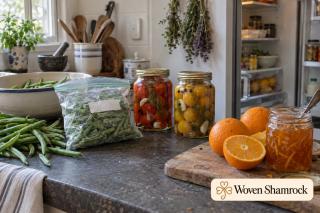
Have you ever looked at a bowl of tomatoes, a bag of green beans or a pile of oranges and thought, “I don’t want these to go to waste, but what do I do with them?”
That’s where preserving comes in. It can be as simple as freezing chopped vegetables for next week’s dinner. You don’t need a cupboard full of special equipment to begin.
The first thing to learn is that “preserved” doesn’t always mean “safe to keep in the cupboard.” Some foods belong in the fridge, some in the freezer, and some can be stored on a shelf only after a tested canning process.
What does food preservation mean?
Preserving food means preparing and storing it in a way that slows spoilage and helps you use it later. Common home methods include freezing, drying, pickling, making jams and canning. Each method has its own instructions and storage needs.
Here’s the simple starting point:
MethodWhat it meansWhere the finished food goesFreezingPreparing and packing food to keep frozenFreezerRefrigerator picklingKeeping food in a suitable vinegar brineFridgeDryingRemoving enough moisture using a suitable methodAs directed by the specific guideJam or marmaladeCooking fruit with sugar and other ingredientsFridge, or shelf only if properly canned using a tested recipeCanningProcessing filled jars using a tested methodShelf, if correctly processed and sealed
Start with the food you already have
Before choosing a method, ask yourself:
What food do I have, and how much?
Do I want to use it next week or much later?
Do I have space in the fridge or freezer?
Do I have a tested recipe for the exact food and method I want to use?
If you’re just starting, freezing a small batch is a manageable first project. Check the instructions for that particular fruit or vegetable: some vegetables need blanching before freezing for good quality. Keep your freezer at −18°C or colder and your fridge at 4°C or colder.
What do you need?
Your list will change with each guide, but these basics help:
Fresh food in good condition
Clean hands, work surfaces and equipment
A reliable recipe or preservation guide
Suitable freezer bags, containers or jars for the chosen method
A pen and labels for the name and date
Enough fridge or freezer space, if the method requires it
Write the date on everything. Future you will be grateful when you find three mystery bags at the back of the freezer!
The rule I want you to remember
A lid that pops shut does not prove that food is safe to store on a shelf. Safe canning depends on the food, the recipe, the equipment and the full processing method. Low-acid foods such as most vegetables, meat and poultry require a pressure canner and a tested recipe; a boiling-water bath is not enough for them. Improperly canned food can cause botulism.
That’s why we’ll always say clearly whether one of our guides makes something fridge-only, freezer-only or shelf-stable. And we won’t change vinegar proportions, processing times or equipment in a tested canning recipe just to make it easier.
A gentle way to begin
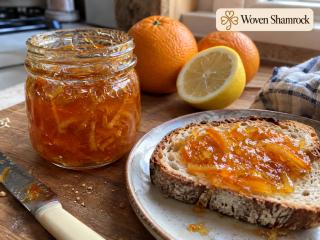
Pick one food and one method. You could freeze a small portion of vegetables, make a batch of refrigerator pickles, or try a tested marmalade recipe. Follow that guide from beginning to end, label what you’ve made, and see how you use it.
You don’t have to preserve an entire harvest on your first Saturday. One useful jar or freezer bag counts.
Let’s talk in the comments
What food do you most often end up throwing away?
Did anyone in your family teach you to preserve food?
Would you rather start with freezing, pickling or jam?
Do you have a cupboard full of empty jars waiting for a purpose?
What preservation step feels confusing or intimidating?
Which food would you like me to make a photo guide for first?
Quick poll: What should our first beginner guide be: freezing green beans, refrigerator-pickled tomatoes, orange marmalade, or drying herbs?
Your little challenge
This week, look in your fridge before you shop. Choose one fruit or vegetable you need to use soon, then decide whether to cook it now or find a suitable preservation guide for it. Small habits like that can save food and money.
We’ll work through the individual methods together, one practical guide and one step photo at a time.